Gifted adult guide
Giftedness and heightened sensitivity: what are the connections?
When someone begins exploring giftedness, or High Intellectual Potential, they often encounter the idea of heightened sensitivity very quickly.
Many accounts describe strong emotional intensity, pronounced responsiveness to the environment, or considerable empathy. This sometimes leads to the belief that giftedness and heightened sensitivity are automatically linked.
The reality is more nuanced.
This page explores possible links between these concepts, their differences, and the main misconceptions surrounding them.
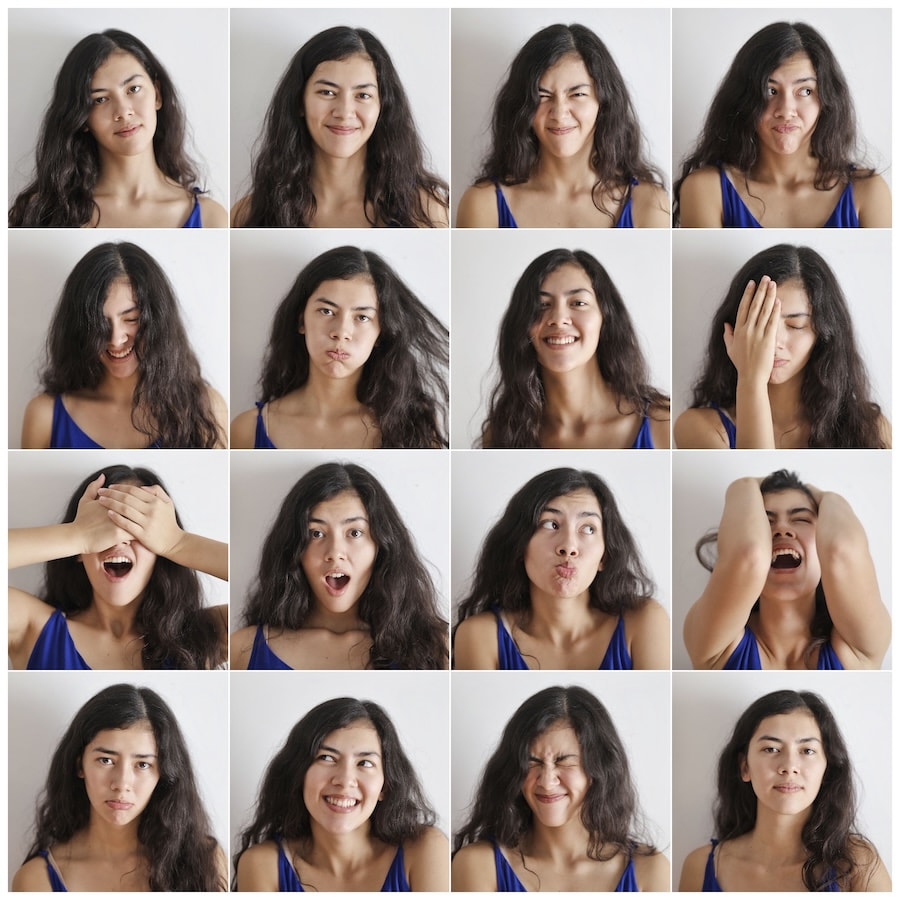
Emotions and functioning
Putting sensitivity into words can help distinguish experiences from premature conclusions.
What does heightened sensitivity mean?
The term heightened sensitivity is often used to describe experiences involving how someone feels or reacts to what happens to them.
- emotional sensitivity
- reactivity
- empathie
- heightened perception of certain stimuli
- subjective experience
Heightened sensitivity is not a recognized medical diagnosis.
It is a widely used term for certain emotional or sensory experiences.
The term “high sensitivity” covers several experiences
In everyday language, high sensitivity may mean sensory discomfort, strong emotional reactivity, considerable empathy, vigilance about judgment, or difficulty recovering after a busy day. These phenomena can coexist, but they do not share the same mechanisms or practical responses.
Sensory sensitivity concerns, for example, noise, light, textures, or smells. Emotional reactivity describes an emotion’s intensity or duration. Contextual sensitivity more often means being more affected by certain atmospheres or relationships. Confusing them makes it harder to identify what actually needs adjustment.
None of these elements alone can identify giftedness. Start with the specific experience, its frequency, and its effects on daily life.
Build a sensitivity map rather than an overall portrait
A simple map makes the situation observable. It helps distinguish occasional discomfort from a recurring difficulty and avoids the vague conclusion “I am too sensitive to everything.”
Sensory
Which stimulus is difficult, at what intensity, for how long, and with what opportunity to recover?
Emotional
Which emotion rises, after what event, how does it change, and what does the person do in response?
Contextual
Does the reaction change with sleep, workload, relational safety, or the ability to choose?
Why accumulated demands change the reaction
The same meeting, noise, or comment may be tolerable one day and difficult another. Fatigue, pain, anxiety, conflict, decision overload, and lack of breaks reduce available capacity. A delayed reaction does not mean the person was pretending earlier: they may have maintained effortful control until returning to a safe place.
This variability calls for examining the whole day. Sensitivity that seems linked to one stimulus may actually be amplified by several demands close together. Conversely, reducing all activity in the name of sensitivity may gradually narrow life without resolving the main mechanism.
The aim is therefore neither to endure everything nor to avoid every discomfort, but to identify conditions that allow participation without disproportionate cost.
Proportionate adjustments to try
A good adjustment reduces an obstacle while preserving as much independence, connection, and meaningful activity as possible. It is judged by its effects, not only immediate relief.
- plan breaks or a quieter space during prolonged exposure;
- change a specific stimulus rather than the whole activity;
- state a need descriptively without imposing an explanation based on giftedness;
- observe whether the adjustment actually improves participation and recovery;
- review when avoidance increases, distress persists, or several settings are affected.
Observe sensitivity in context rather than search for a label
An intense reaction becomes easier to understand when you describe what preceded it: noise levels, fatigue, relationship stakes, accumulated demands, or insufficient recovery. The same person may tolerate an environment one day and find it exhausting another. This variability does not invalidate their experience; it shows that the situation matters as much as the word used to describe it.
A simple record can help: situation, bodily sensations, emotion, perceived need, chosen response, and outcome. It helps distinguish a sensory preference, a strong emotion, a period of overload, and a difficulty that persistently disrupts life. The aim is not to control everything, but to identify when an adjustment helps and when gradually increasing flexibility remains possible.
Why are giftedness and heightened sensitivity often associated?
The association between giftedness and heightened sensitivity often comes from several sources that can reinforce each other.
- popular literature
- personal accounts
- frequent observations
- a search for meaning
Several hypotheses are sometimes proposed:
- in-depth analysis of situations
- attention to detail
- empathie
- intensity in processing certain information
These ideas can support reflection, but require caution. They do not establish an automatic link between intellectual giftedness and heightened sensitivity.
Are all gifted people highly sensitive?
Non.
Some gifted people describe themselves as highly sensitive.
Some intellectually gifted people report strong emotional, sensory, or interpersonal responsiveness.
Others do not identify with this concept at all.
Other gifted adults experience their functioning as more analytical, more detached, or less centered on sensitivity.
Some highly sensitive people show no particular signs of intellectual giftedness.
Heightened sensitivity can exist independently of giftedness, with very varied origins and forms.
How can heightened sensitivity appear?
Emotional intensity
Some people describe intensely experienced emotions that can be difficult to step back from in the moment.
Strong empathy
Empathy may play a major role, with strong resonance in response to others’ emotions or experiences.
Sensitivity to certain environments
Some environments may feel more tiring or overwhelming, especially when they are noisy, crowded, or unpredictable.
Reactivity to unfairness
Situations perceived as unjust, inconsistent, or violent can provoke a strong reaction that may be difficult to contain.
Difficulty gaining emotional distance
Some people report difficulty disengaging emotionally from an exchange, situation, or relationship tension.
Strong resonance with certain human experiences
Human, artistic, or relational experiences can have a deep and lasting resonance.
These manifestations vary enormously between individuals.
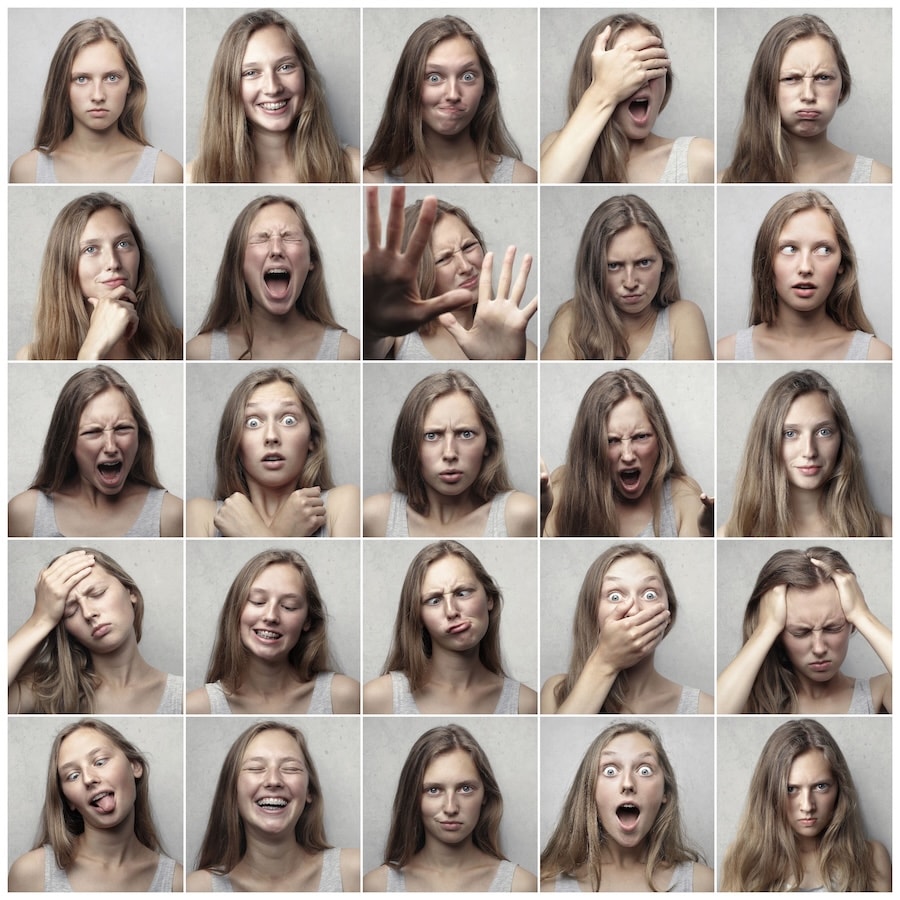
Add nuance to the experience
Strong sensitivity may involve emotional, cognitive, relational, or contextual dimensions.
Emotional sensitivity or intellectual functioning?
It can be difficult to distinguish the roles of emotions, cognition, personality, environment, and life history.
Reflection can therefore consider several dimensions:
- intellectual functioning
- personality
- personal history
- context
This distinction matters because the same experience can have several possible explanations.
The most common misconceptions
All gifted people are highly sensitive
This is an oversimplification. Gifted profiles are very diverse, and not everyone identifies with strong sensitivity.
All highly sensitive people are gifted
Heightened sensitivity can exist without intellectual giftedness. It is not proof of giftedness.
Heightened sensitivity is necessarily a problem
Strong sensitivity may be difficult in some settings, but can also be associated with relational, creative, or intuitive resources.
A strong emotion automatically means giftedness
An intense emotion can have many causes: context, personality, life history, stress, or fatigue. It cannot establish giftedness.
Should strong sensitivity be a concern?
Not necessarily.
Strong sensitivity can be part of human diversity. It may be associated with resources, limitations, adaptation needs, or more or less supportive contexts.
Explore cautiously
01
Observe
identify situations that trigger strong sensitivity
02
Put into context
distinguish emotion, cognition, history, and context
03
Discuss
consult a professional if questions persist
Explore your functioning carefully
Introspection can help you understand situations where sensitivity becomes especially prominent.
Questionnaires can structure this reflection, but have limitations and cannot establish a conclusion on their own.
If the question concerns possible intellectual giftedness, a psychometric assessment conducted by a professional remains the reference.
Cereya’s approach therefore distinguishes emotional experience from indicators of cognitive functioning, using an interpretation informed by psychometrics but deliberately nonclinical.
Cereya Giftedness
An initial approach with Cereya Giftedness
Cereya Giftedness offers an informative online assessment for adults who want to explore aspects of their cognitive functioning or their relationship to adult giftedness.
- 10 original cognitive tasks
- reasoning, vocabulary, working memory, and processing speed
- interpretation of performance by domain
- free overall range
- optional paid detailed report
The report highlights relative strengths and contrasts in the tasks offered. It remains an indicative estimate; a professional assessment provides a contextual clinical interpretation.
Initial summary included; detailed analysis available afterward.

Personal understanding
Understanding your functioning better can help you move forward with greater nuance.
FAQ
Frequently asked questions
Does giftedness cause heightened sensitivity?+
No. Some gifted people describe themselves as highly sensitive, but there is no systematic relationship establishing that giftedness causes heightened sensitivity.
Can you be highly sensitive without being gifted?+
Yes. Many people recognize certain forms of heightened sensitivity in themselves without showing characteristics associated with intellectual giftedness.
Are all gifted people highly sensitive?+
No. Gifted profiles are very diverse, and not everyone identifies with the concept of heightened sensitivity.
Is heightened sensitivity a medical diagnosis?+
No. The term heightened sensitivity is widely used to describe certain emotional or sensory experiences, but it is not a medical diagnosis.
How can I tell if I am gifted?+
A psychometric assessment conducted by a professional remains the reference. Informative online assessments can be an initial exploration.
Can you be gifted without being highly sensitive?+
Yes. A gifted person may not identify with heightened sensitivity. Adult giftedness and emotional sensitivity should be understood as two distinct dimensions.
How does Cereya avoid confusing giftedness with sensitivity?+
Cereya Giftedness explores performance on cognitive tasks: reasoning, memory, visual and verbal processing, and speed. The current assessment does not include emotional or behavioral self-assessment; experienced sensitivity and cognitive abilities remain two separate questions.
References and resources
This page draws on work in psychology, psychometrics, and cognitive science.
- Greven, C. U., Lionetti, F., Booth, C., Aron, E. N., Fox, E., Schendan, H. E., Pluess, M., Bruining, H., Acevedo, B., Bijttebier, P. & Homberg, J. (2019). Sensory Processing Sensitivity in the context of Environmental Sensitivity: A critical review and development of research agenda. Neuroscience & Biobehavioral Reviews, 98, 287–305. DOI: 10.1016/j.neubiorev.2019.01.009. PMID: 30639671.
- Tasca, I., Guidi, M., Turriziani, P., Mento, G. & Tarantino, V. (2024). Behavioral and Socio-Emotional Disorders in Intellectual Giftedness: A Systematic Review. Child Psychiatry & Human Development, 55(3), 768–789. DOI: 10.1007/s10578-022-01420-w. PMID: 36181607.
- Elaine Aron — The Highly Sensitive Person
- Nicolas Gauvrit — Les surdoués ordinaires
- American Psychological Association — resources on intelligence and personality
Explore further